










Most dealerships have a pre-owned inventory divided into two categories: pre-owned and certified pre-owned cars (CPO). These vehicles are more reliable because they have undergone certain pre-requisites to receive the CPO classification. What are some of the qualifications for CPO status?
Multi-Point Inspection
All vehicles must go through an inspection by a certified technician. The multi-point inspection differs between manufacturers. For some, it may be a 150-point inspection. In others, it may be a 165-point inspection, and so forth. This covers major components like the engine, transmission, and brakes.
OEM Parts
If the inspection yields any parts requiring replacement, all new parts must be OEM, or the original factory parts straight from the manufacturer. CPO cars cannot contain any aftermarket parts. If the technician discovers third-party components, then the part must either be replaced with an OEM part, or the car is not eligible for CPO designation.
Age and Mileage
CPO vehicles cannot be older than a certain model year, and the mileage cannot exceed a certain limit. Again, this varies between manufacturers, but in most cases, the year cannot be more than five to six years old, and the mileage cannot be more than 50,000 to 70,000 miles. The technician will perform additional checks to ensure there are no issues like odometer tampering.
History Report
A history report must reveal that the vehicle hasn’t been in any major collisions resulting in significant repairs to the frame. The report must also reveal a consistent history of upkeep and maintenance from the prior owner.
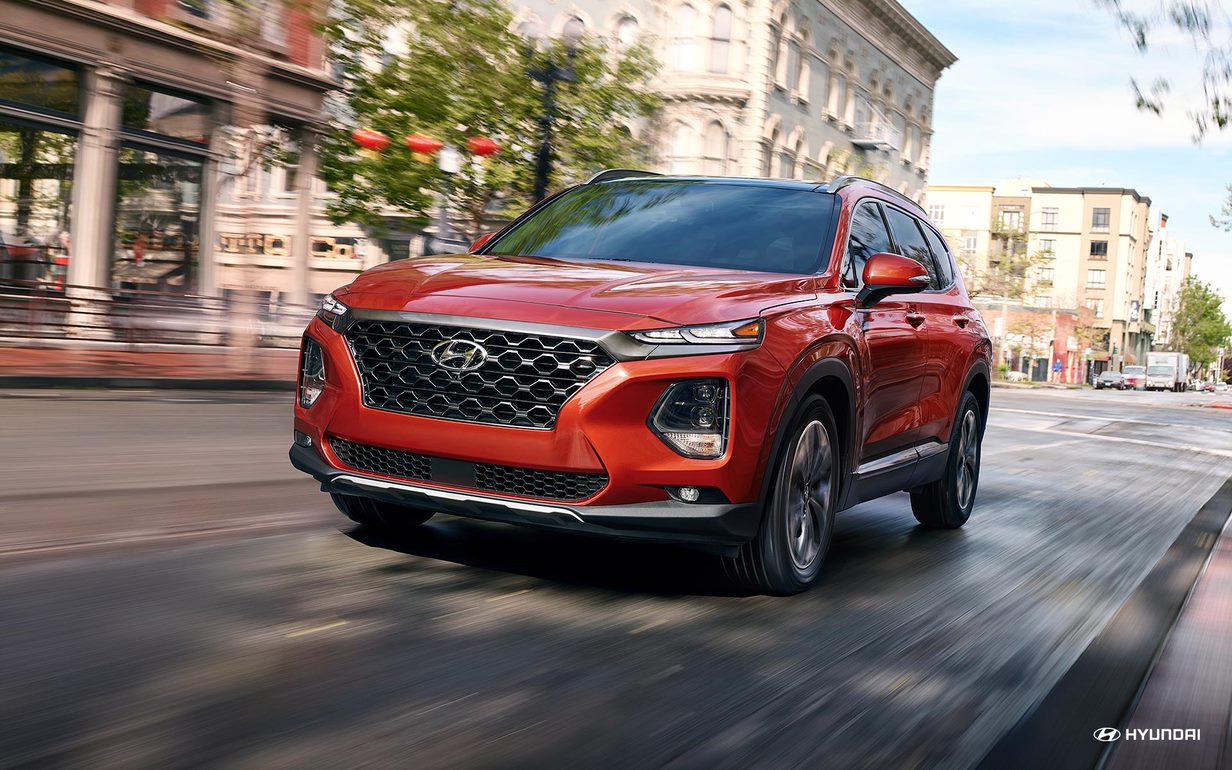
Visit Sansone Group to see our certified pre-owned inventory. We may have models like the Hyundai Santa Fe and more. Speak to a dealer to find out more about the CPO requirements for the manufacturer of the model you’re interested in.
Connect with us


Recent Blog Entries
- Explore the 2026 Nissan Frontier PRO-4X Near North Woodbridge, NJ | Sansone Nissan
- Explore the 2026 Jeep Grand Wagoneer Limited Altitude 4×4 Near North Woodbridge, NJ | Sansone CDJR
- Explore the 2026 Hyundai IONIQ 5 SE Near North Woodbridge, NJ | Sansone Hyundai
- Explore the 2026 Toyota Camry SE Near North Woodbridge, NJ | Sansone Toyota
- Explore the 2026 Toyota bZ Woodland Near North Woodbridge, NJ